How Pricing Strategy Works in a Shifting Real Estate Market
Comparable sales show where the market has been. A smart pricing strategy accounts for where it's headed.
Ask most sellers how their home should be priced, and the answer usually starts with "What did the house down the street sell for?" That's a reasonable starting point, but it's incomplete. Comparable sales tell you where the market has been. Pricing strategy is about understanding where the market is heading, and pricing accordingly.
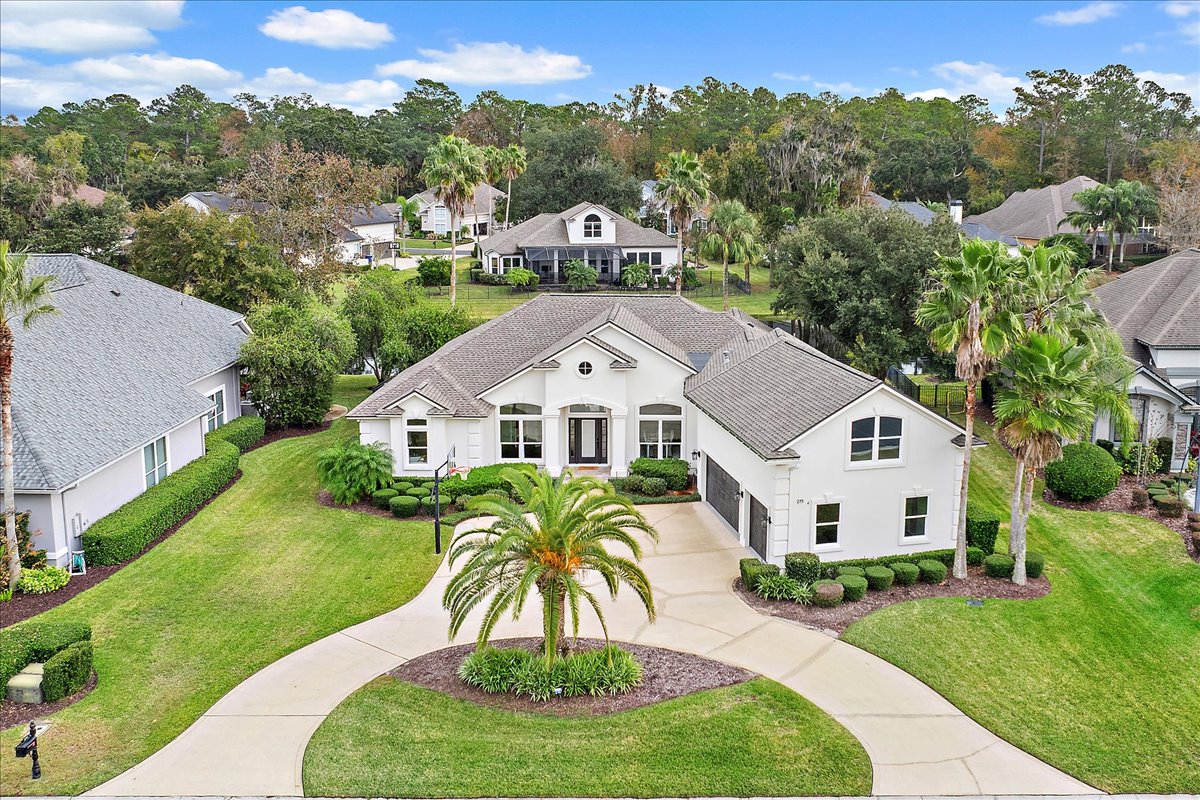
Why comps alone aren't enough
A comparable sale from three months ago reflects the conditions of three months ago, not today. In a market that's actively shifting, whether cooling or accelerating, relying solely on past sales can lead to a price that's already out of step with current buyer behavior by the time the listing goes live. That gap is where a lot of pricing mistakes happen.
The cost of pricing too high in a cooling market
When appreciation is slowing or reversing, an aggressive list price doesn't just risk a slower sale; it risks a specific and damaging pattern: sitting on the market, then reducing price in response to lack of activity, then appearing to chase the market downward. Buyers notice price history. A home with multiple reductions often reads as a problem, even when the underlying property is fine. The irony is that pricing slightly more conservatively from the start frequently results in a higher final sale price than starting high and reducing later.
The cost of pricing too conservatively in a rising market
The opposite mistake happens in accelerating markets. Sellers anchored to older comps price too cautiously, generate a fast sale, and later realize (sometimes through a neighbor's subsequent sale) that they left real money on the table. In a rising market, pricing strategy often means pricing at or even slightly below recent comps to generate competition among buyers, letting demand push the final price upward rather than trying to guess the ceiling from the outset.
What a real pricing strategy actually accounts for
Recent closed sales, but also current active inventory and how it's positioned relative to your home
The direction of the trend, not just the most recent data point
Seasonal patterns specific to this market, since activity in Ponte Vedra Beach doesn't move uniformly year-round
Your specific home's condition and presentation relative to its closest competition
Your actual timeline and flexibility, since strategy differs for a seller who needs to move in 60 days versus one who can wait for the right offer
The bottom line
Pricing isn't a single number pulled from a formula. It's a strategy built around where the market is headed, not just where it's been. That's the analysis we walk through with every seller before a listing ever goes live.
If you're weighing when to list and want an honest read on current market direction, let's talk. Call 904.822.9255 or email [email protected].