
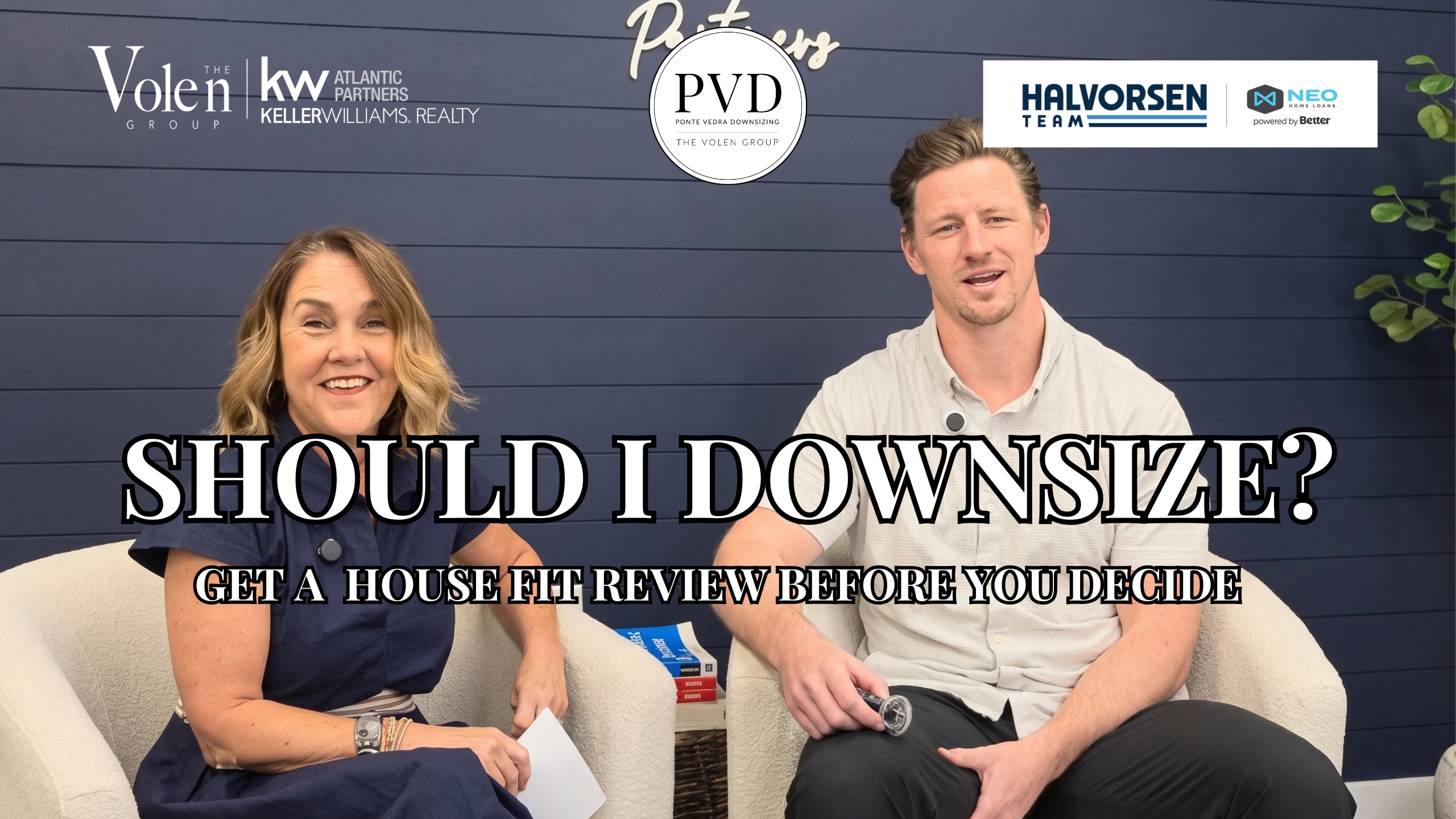
Should You Downsize? A Fit Review Before You List Your Home
A pre-listing conversation for retirement-stage homeowners weighing whether moving is actually worth the trade-offs.
If you're a homeowner in your retirement years, you've probably had the conversation more than once: Is it time to downsize? It's tempting to assume the answer is simple — smaller house, smaller bills, less work. But in reality, it's rarely that clean-cut. Smaller doesn't always mean cheaper, and moving doesn't automatically mean easier.
Before assuming a smaller home is the better or more affordable choice, it's worth comparing what staying and moving would each actually ask of you. That means looking honestly at the house itself, the monthly responsibility it carries, your day-to-day lifestyle, your family, and what you want the next chapter to feel like. The right answer might be to move — but it could just as easily be to stay, renovate, simplify in place, or simply make a plan for later.
Here's a framework for thinking it through.
1. Physical Fit
Start with the house itself. Which parts of it are getting harder to use, clean, or maintain? How do the stairs, the yard, the pool, or the exterior upkeep feel now compared with a few years ago? And if mobility or health changed for either of you, would this home still work the way you'd want it to?
2. Financial Fit
Look past the mortgage. What does this home actually ask you to carry each year — taxes, insurance, utilities, repairs, landscaping, the bigger maintenance items that come around every few years? Are there known projects on the horizon you'd rather avoid, prepare for, or weigh against the cost of simply moving? And if you did move, how much equity would you actually want tied up in the next home versus kept liquid?
3. Lifestyle Fit
Are you using this house the way you were using it 10 or 20 years ago? Would less maintenance, fewer stairs, lower day-to-day responsibility, or a different kind of community actually make life easier? It's worth asking both sides of this: what would you miss most if you left, and what would you be relieved to stop managing?
4. Family and Location Fit
Is being closer to children, grandchildren, friends, or medical care becoming more important than it used to be? Would moving closer improve daily life enough to justify a different cost or a smaller footprint? And just as important — who else needs to be part of this conversation before a decision feels comfortable?
5. Future Fit
Try this thought experiment: if nothing changed and you stayed here through another three to five winters, how would that feel? What would make you feel you moved too soon? What would make you look back and feel you stayed too long? And what would you want figured out now, while the decision is still fully yours?
Compare Responsibility, Not Square Footage
The comparison that actually matters isn't size — it's what each option asks of you day to day.
Staying means ongoing upkeep, repairs, taxes, insurance, utilities, stairs, yard work, unused space, and distance from family.
Moving means a purchase price, a decision between cash and financing, equity used versus liquidity preserved, HOA or community costs, a different tax and insurance picture, a different maintenance level, accessibility, and proximity to the people who matter most.
Timing matters too — sell first or buy first, whether carrying two homes temporarily is realistic, and how much complexity you're genuinely comfortable taking on right now.
Common Things Homeowners Say
If any of these sound familiar, you're not alone:
"We have too much house, but the smaller homes aren't actually cheaper."
"I don't want to spend another summer doing this yard."
"The stairs didn't bother us before."
"The kids keep asking us to move closer."
"The house is paid off. It feels crazy to leave."
"We don't want to wait until somebody else has to make the decision for us."
What Comes Next
The next step usually isn't a listing appointment — it's clarity. That might mean getting a current home value, reviewing your equity position, understanding financing options for the next property, weighing buy-first versus sell-first timing, comparing a renovation to a move, or simply having a conversation with your CPA, financial advisor, Medicare professional, or attorney.
A good outcome here isn't automatically a move. A good outcome is being able to see the tradeoffs clearly enough to make the decision — while it's still entirely yours to make.
If working through these questions raises more than you can easily sort out on your own, that is exactly what The Halvorsen Team's House Fit Review program was built for. Through Ponte Vedra Downsizing and The Volen Group, The Halvorsen Team walks retirement-stage homeowners through this same physical, financial, lifestyle, family, and future fit conversation — with no pressure and no assumption that moving is the right answer. Reach out to Ponte Vedra Downsizing and The Volen Group for details on the Next Chapter Downsizing Program™, to connect with The Halvorsen Team and get a House Fit Review of your own.